
Description
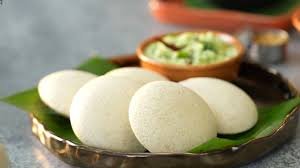
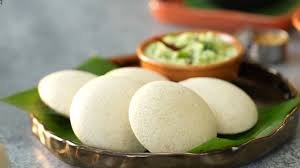
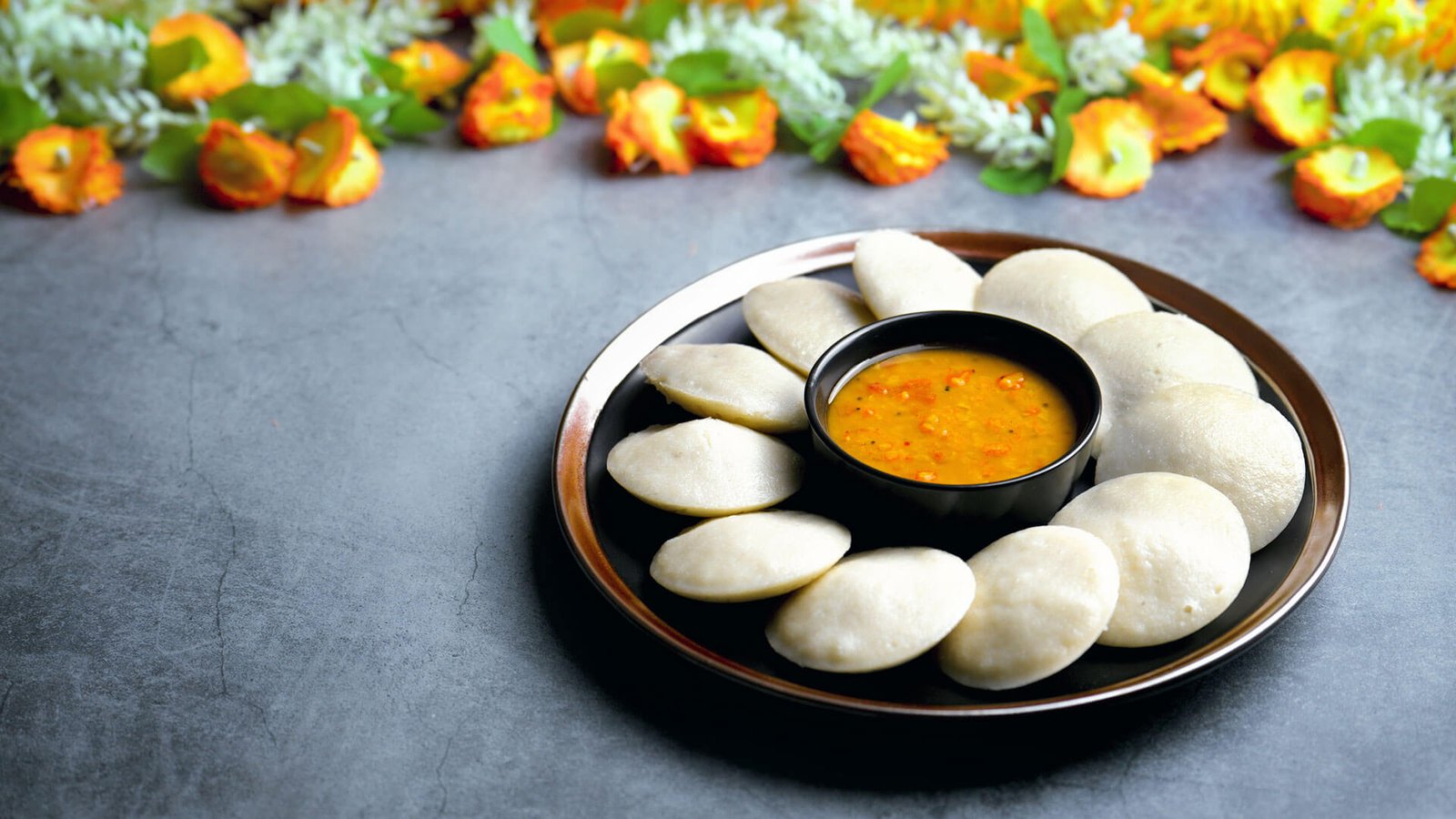
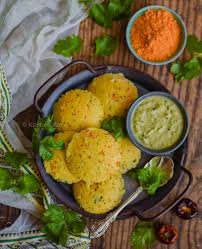
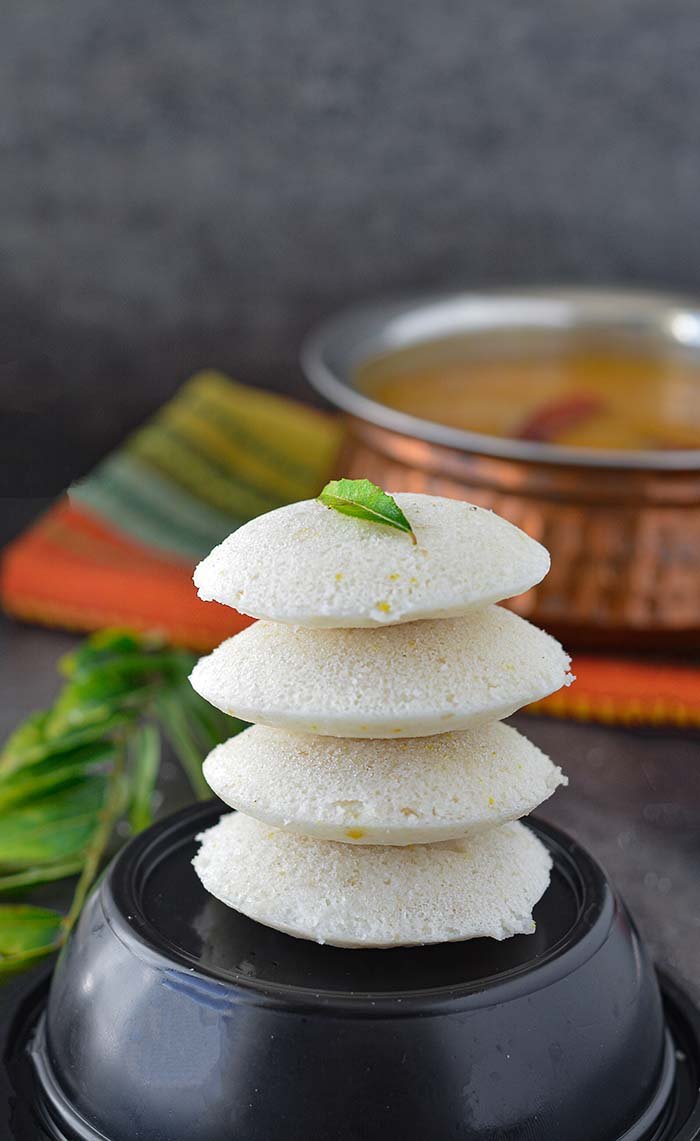
Idli is one of the most beloved and iconic dishes of South India. Light, fluffy, and healthy, this steamed rice cake has made its way into homes, restaurants, and hearts across India and the world. Known for its simplicity and nutritional value, idli is often eaten for breakfast, but it can also be enjoyed at any time of the day.
Origin and History
Idli has ancient roots that trace back over 1,000 years. Though its exact origin is debated, references to a similar steamed dish can be found in ancient Tamil and Kannada literature. Some food historians suggest that the modern version of idli may have evolved due to influences from Indonesia, where similar fermentation techniques were used.
Ingredients and Preparation
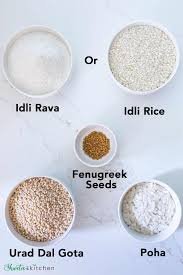
The classic idli is made using just a few basic ingredients:
-
Rice
-
Urad dal (split black gram)
-
Water
-
Salt
Sometimes, fenugreek seeds (methi) are added for extra flavor and fermentation support.
Steps to Make Idli:
-
Soaking: Rice and urad dal are soaked separately in water for several hours.
-
Grinding: They are then ground to a smooth batter using a wet grinder or mixer.
-
Fermentation: The batter is left to ferment overnight or for 8–12 hours, allowing it to rise and become airy.
-
Steaming: The batter is poured into idli molds and steamed for about 10–15 minutes.
Health Benefits
-
Low in calories and fat: Since idlis are steamed, not fried, they are easy on the stomach and low in fat.
-
Rich in protein: Thanks to urad dal, idlis offer a good source of protein.
-
Great for digestion: The fermentation process increases the bioavailability of nutrients and promotes gut health.
Popular Variants
Over time, many regional and creative variations of idli have emerged:
-
Rava Idli: Made with semolina instead of rice.
-
Mini Idli: Smaller, bite-sized versions often served in sambar.
-
Stuffed Idli: Filled with vegetables or spicy chutneys.
-
Oats Idli: A healthy, high-fiber twist using oats.
Serving Suggestions
Idlis are usually served with:
-
Coconut chutney
-
Sambar (a lentil-based vegetable stew)
-
Tomato or mint chutney
-
Idli podi (a dry chutney powder mixed with oil)
Global Popularity
With the rise of Indian restaurants globally and a growing interest in healthy eating, idli has become a favorite among people of various cultures. Instant idli mixes and ready-to-eat options are also now widely available.
Final Thoughts
Idli is more than just food — it’s a cultural symbol of simplicity, nourishment, and tradition. Whether eaten fresh in a South Indian home or served in a modern café, the soft and spongy idli continues to bring comfort and joy to millions.
manukaintura1993@gmail.com –
nice food